Pets & Parents
How Pet Inclusive Housing Policies Help Reduce Shelter Overcrowding
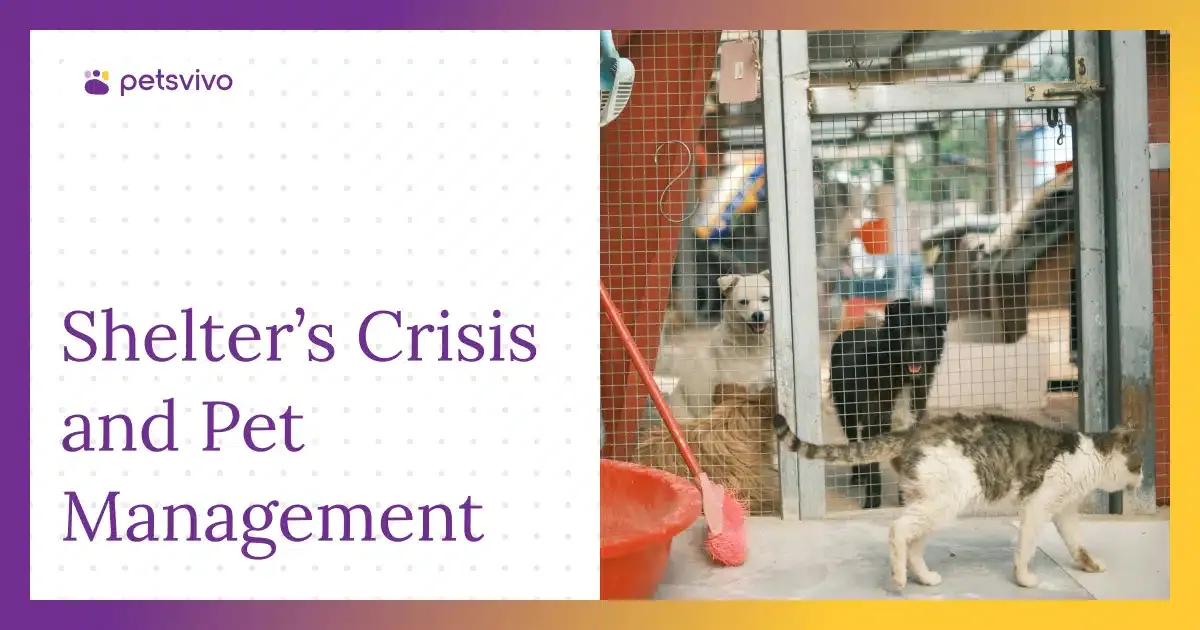
Approximately 6.5 million animals enter US shelters every year, according to Shelter Animals Count. Around 60% arrive as strays, and 29% are surrendered by their owners who can no longer care for them. Of those surrendered pets, housing is one of the most cited reasons.
The ASPCA has directly identified restrictive housing policies as a barrier that pushes pets into shelters and prevents adoption. Addressing it is not just an animal welfare issue. For property managers, it is also a business decision with measurable returns.
Why Housing Restrictions Are Driving Pet Surrenders
When a renter loses their housing, moves somewhere new, or faces a lease that prohibits their pet, the choice they are forced to make is a painful one. Research from PBS NewsHour and shelter operators across the country confirms that housing insecurity is one of the primary drivers behind owner surrenders today.
Breed restrictions, weight limits, and high pet fees push pet owners out of the rental market or force them underground, hiding pets that are never registered or tracked. When those situations break down, the pet ends up in a shelter.
The ASPCA has stated clearly that advocating for pet-friendly housing policies is one of the most effective tools for keeping animals in homes and out of shelters.
What the Shelter Data Actually Shows in 2026
For 2026, the shelter data can be eye-opening. More than 60% of Americans are ready to adopt a shelter pet, but limited housing access and unclear policies often prevent these animals from being adopted.
While the data around animals in shelters is improving in some areas, the capacity crisis continues:
- 6.5 million animals entered US shelters in 2023, a figure that has remained broadly consistent
- Approximately 607,000 animals were euthanized in shelters in 2024, a decline from prior years but still significant
- 4.2 million cats and dogs were adopted from US shelters and rescues in 2025, up slightly from 2024
- Dogs are now waiting nearly twice as long to be adopted compared to pre-pandemic timelines, per Shelter Animals Count
- 66% of Americans say they are open to adopting a shelter pet, but the cost of ownership and housing access remain the top barriers
The gap between animals entering shelters and animals being adopted has not closed. Supply of adoptable pets exceeds the number of people able and willing to take them in. Housing restrictions narrow that pool further.
How Pet Inclusive Rental Policies Directly Reduce Shelter Intake
When a property removes unnecessary breed and weight restrictions, it expands the pool of renters who can keep their pets legally and safely. This has a direct effect on shelter intake in two ways.
First, it prevents surrenders. Renters who find a home that welcomes their pet do not have to make the choice between housing and their animal. Second, it supports adoption. People who want to adopt from a shelter but cannot find pet-inclusive housing often hold off entirely. Removing that barrier converts interest into action.
The Pet-Inclusive Housing Initiative (PIHI) data confirms that only 8% of US rental properties are truly free of breed, weight, and fee restrictions. That gap represents millions of pet owners who are underserved by the current rental market.
What Property Managers Can Do
For property managers, there are practical steps that directly support both business outcomes and animal welfare. From clear policies to consistent rules, the goal is to improve the residential experience.
Some helpful steps include:
- Remove breed and weight restrictions that are not insurance-mandated
- Communicate pet policies clearly before application to reduce friction and unauthorized pets
- Implement structured pet registration and documentation to track pets accurately
- Partner with local shelters or rescue organizations for adoption events in the community
- Support foster-friendly policies where residents can temporarily house shelter animals
These steps expand the resident pool, improve occupancy, and position the property as a genuinely community-oriented place to live.
Conclusion
The shelter crisis and the rental housing gap are connected problems with a connected solution. Pet-inclusive housing keeps pets in homes, supports adoption, and gives property managers a genuine competitive and community advantage. The data makes the case on both sides.
Frequently Asked Questions
How does restrictive housing cause pets to end up in shelters?
When renters cannot find housing that accepts their pet, many are forced to surrender them. Housing restrictions are one of the leading cited reasons for owner surrenders.
How many animals are in US shelters right now?
Approximately 5.8 million animals passed through US shelters and rescues in 2025, based on Shelter Animals Count data.
Does removing breed restrictions help shelters?
Yes. Breed restrictions disproportionately affect larger dogs, which are already the hardest shelter animals to place and the ones staying longest in facilities.
Can property managers partner with shelters?
Yes. Many properties host on-site adoption events or support foster-friendly lease policies, both of which directly reduce shelter populations.
What is the biggest barrier to pet adoption in 2026?
Cost of ownership and lack of pet-inclusive housing are the two most commonly cited barriers, per Hill's Pet Nutrition State of Shelter Pet Adoption Report.