Hotels
Service Animals in Hotels: What Staff Still Get Wrong in 2026
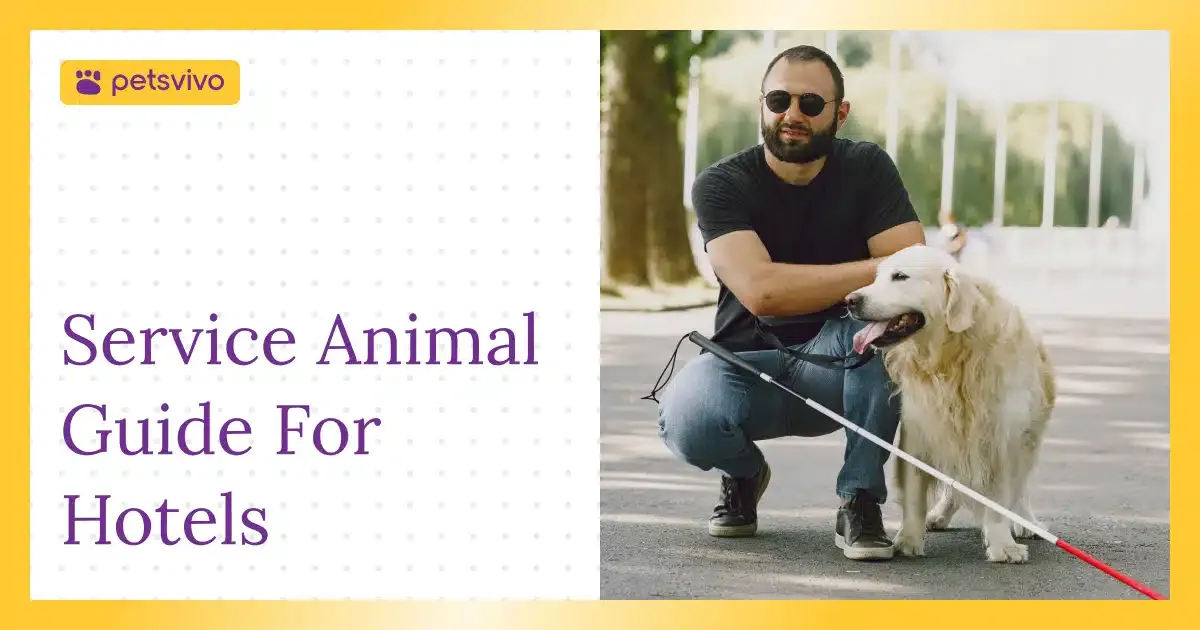
In 2019, the U.S. Department of Justice settled with two hotel properties that had refused to honor reservations for veterans accompanied by service dogs. One veteran slept in her car. The other was turned away for not having documentation.
Both were clear Americans with Disabilities Act (ADA) violations. And the same mistakes are still happening in hotels today.
What Does the ADA Actually Require?
Under Title III of the Americans with Disabilities Act, hotels must allow service animals in all areas of the property open to the public. That includes guest rooms, restaurants, fitness centers, pools, and lobbies. This applies regardless of whether the hotel has a no-pets policy.
Under the ADA, service animals are limited to individually trained dogs and, in some cases, miniature horses. Emotional support animals do not qualify under Title III.
Staff are permitted to ask only two questions:
- Is this a service animal required because of a disability?
- What task has the animal been trained to perform?
That is it. Staff cannot ask for documentation, proof of disability, certification, or registration of any kind. They cannot require the animal to wear a vest or ID. And they cannot refuse entry based on breed.
If the property charges pet fees, those fees must be waived for service animals. Hotels also cannot restrict guests with service animals to specific rooms. They have the same access to any available accommodation as any other guest.
The federal civil penalties for getting this wrong are significant: up to $118,225 for a first ADA Title III violation and up to $236,451 for repeat violations, according to the U.S. Department of Justice.
What Has Changed in the Service Animal Landscape by 2026?
From fake service animal laws to ADA violations, the service animal landscape has seen significant changes over the years. We have collected all relevant data below, covering all aspects of policies and rules regarding service animals.
Service Animal Policy: Key Updates at a Glance
| Area | Status in 2026 |
|---|---|
| Core ADA Title III rules | Unchanged |
| States with fake service animal fraud laws | 34 states as of 2025 (Michigan State University Animal Law Center) |
| States requiring a 30-day therapeutic relationship for ESA letters | 5 states: California, Arkansas, Iowa, Louisiana, Montana |
| Federal penalty, first ADA violation | Up to $118,225 |
| Federal penalty, repeat violations | Up to $236,451 |
| ESAs protected under ADA in hotels | No. ESAs are not service animals under Title III |
Two shifts are making this more complex at the front desk:
- First, enforcement against fraudulent service animals has increased. As of 2025, 34 states have laws penalizing the fraudulent misrepresentation of a pet as a service animal, according to Michigan State University’s Animal Legal and Historical Center. Penalties vary by state and typically include misdemeanor charges and civil fines. Five states now require a 30-day therapeutic relationship before an ESA letter can be issued, a direct response to the surge in online ESA certification mills.
- Second, the explosion in ESA claims over recent years has created real confusion at hotel front desks. Staff who cannot clearly distinguish between a service animal and an ESA risk two equally damaging outcomes: turning away a guest with a legitimate service animal or failing to properly handle fraudulent claims. Both carry legal and reputational consequences.
What Should Hotels Do Right Now?
Every guest-facing employee should be trained on the two permitted questions, what they cannot ask or require, and how to handle a situation where an animal is disruptive or poses a direct threat. A written protocol for those edge cases protects both guests and staff.
Pet-friendly hotel policies should clearly and explicitly distinguish service animals from emotional support animals. These are not the same category under federal law and should not be treated as such in any public-facing communication.
Conclusion
When it comes to service animals, hotels are often underprepared to host them. Knowing your state’s current laws on service animal fraud, as well as having staff who understand the legal landscape, helps you respond with more confidence, and that confidence shows in the guest experience.
This can lead to better conversions and help with the retention of loyal visitors to your hotel. People traveling with pets often return to the same property if they have a positive experience.
Frequently Asked Questions
Can a hotel ask for documentation or a certificate for a service animal?
No. Under the ADA, hotels cannot require any documentation, certification, registration, or proof of disability. Only the two permitted questions are allowed.
Are emotional support animals protected under ADA in hotels?
No. ESAs are not service animals under ADA Title III. Hotels may treat them as pets, including charging fees or declining access, depending on their policy.
Can a hotel refuse a service animal based on breed?
No. The ADA does not restrict service animals by breed. A hotel cannot deny access based on the type of dog.
What can a hotel do if a service animal is disruptive?
If an animal is out of control, not housebroken, or poses a direct threat to health or safety, the hotel may ask the guest to remove it. The hotel must still offer its services to the guest without the animal.
What are the penalties for refusing a legitimate service animal?
Federal civil penalties under ADA Title III start at up to $118,225 for a first violation and up to $236,451 for subsequent violations, in addition to potential private litigation.